 Chandra Guntur
9,728 views
Chandra Guntur
9,728 viewsJUnit 5 Display Names
Continue with the JUnit 5 series on how to customize test classes and test method names to produce more meaningful output.
 Chandra Guntur
9,728 views
Chandra Guntur
9,728 viewsContinue with the JUnit 5 series on how to customize test classes and test method names to produce more meaningful output.
Chandra Guntur
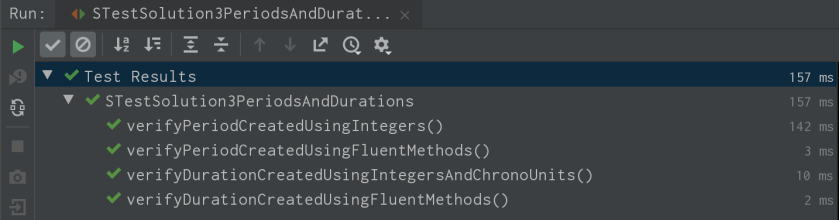
5,245 viewsContinuing the series on JUnit 5, this artcle shows examples of a JUnit test which makes use of a few of the annotations from Part 1!
Chandra Guntur
4,357 viewsMany of us have been used to JUnit 4 as a formidable unit testing framework, here is an introduction to JUnit 5, with references to JUnit 4.
Chandra Guntur
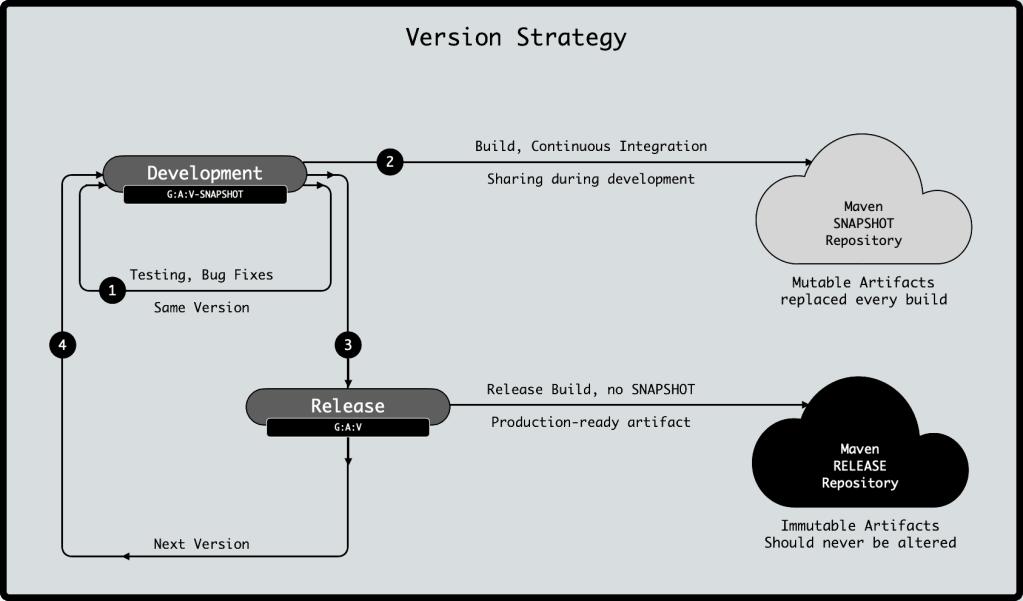
3,646 viewsMaven uses the version as a coordinate in identifying an artifact, which are covered in "Understanding Apache Maven (Part 9)".
Chandra Guntur
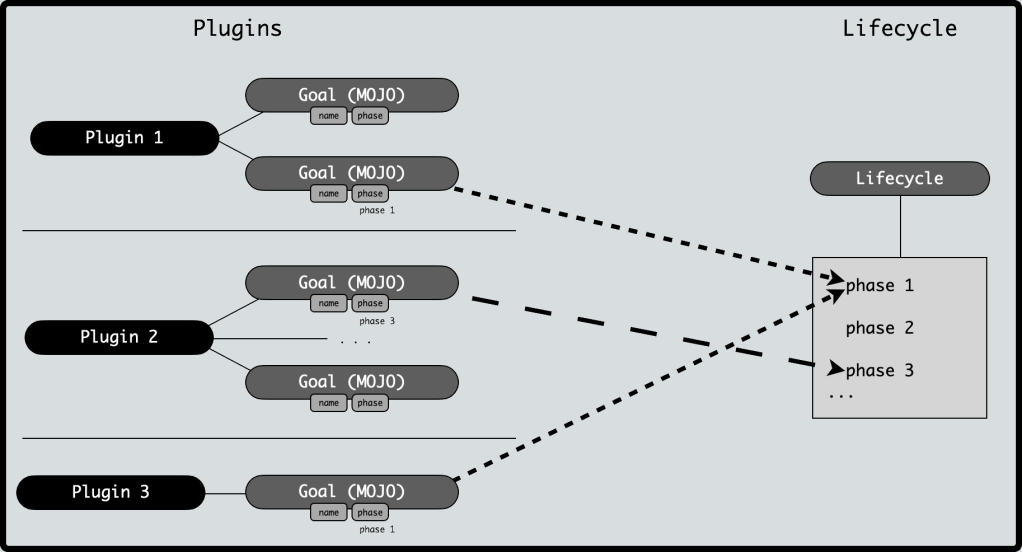
9,659 viewsMaven is a plugin-execution framework: plugins are an assembly of goals, code written as MOJOs (Maven’s plain Old Java Objects).
Chandra Guntur
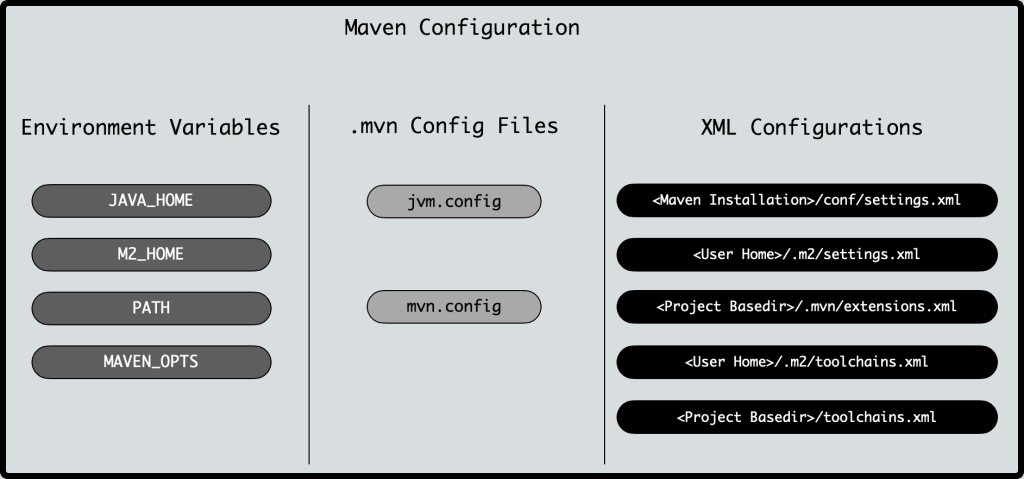
5,367 viewsMaven can depend on constraints external to what is packaged. Examples include the JDK to use (assuming there are several JDKs on the …
Chandra Guntur
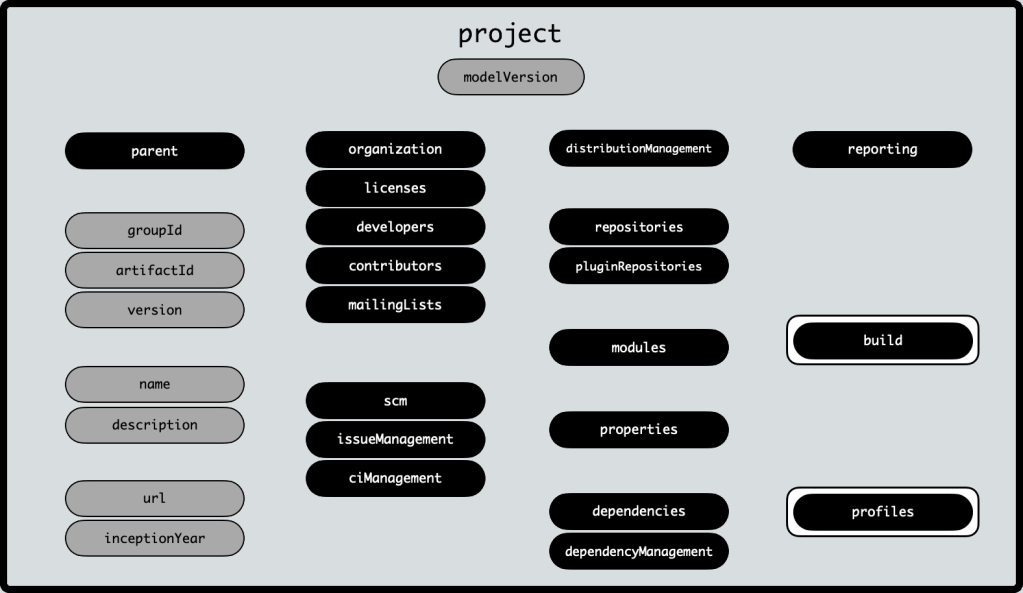
10,770 viewsNot meant as a full dissection of the Apache Maven pom.xml, this article will go through some of its common portions.
Chandra Guntur
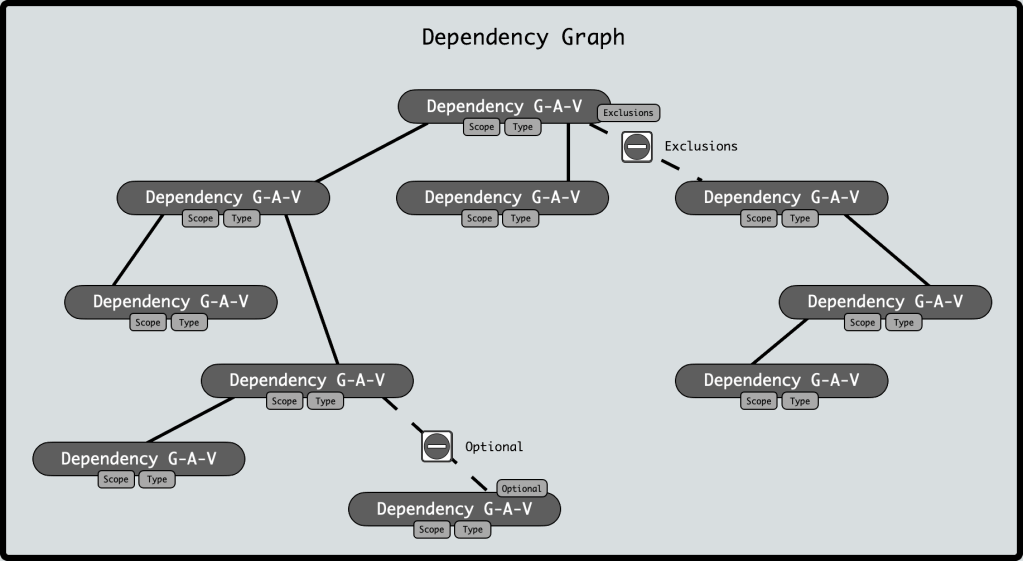
4,331 viewsIn this, part 5 of the series on Apache Maven, a walkthrough of the topic of Apache Maven dependencies is covered!
Chandra Guntur
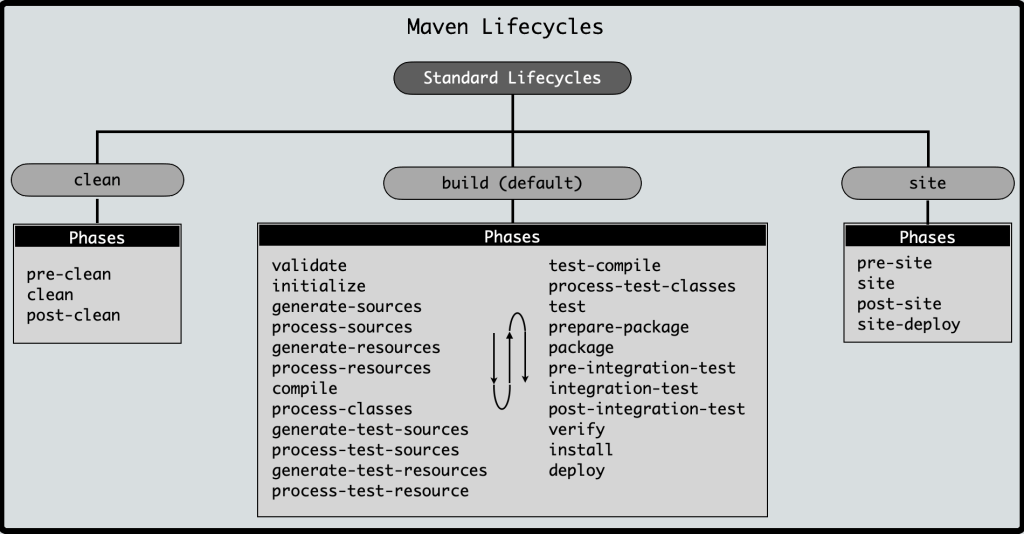
5,062 viewsIn Part 4 of the series, a walkthrough of the Apache Maven lifecycles and executions is covered in quite some detail!
Chandra Guntur
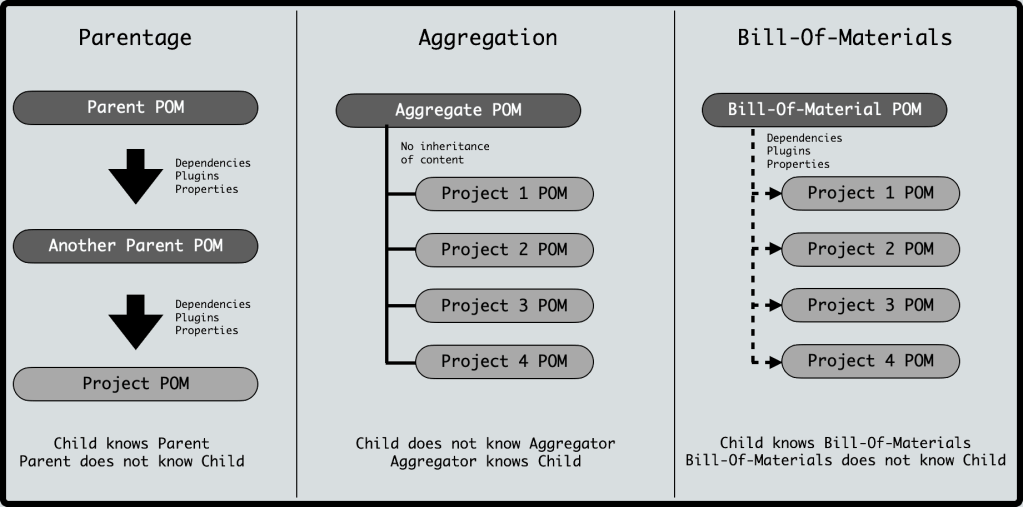
5,691 viewsAn explanation of dependency coordinates and "distinguishers" as well as a more detailed look at POM hierarchies are covered.