 Marko Topolnik
5,415 views
Marko Topolnik
5,415 viewsBillion Events Per Second, Millisecond Latency: Giga Streaming Analytics
On a scientific paper on Hazelcast Jet, its architecture based on symmetric, data-local, non-blocking distributed event processing.
 Marko Topolnik
5,415 views
Marko Topolnik
5,415 viewsOn a scientific paper on Hazelcast Jet, its architecture based on symmetric, data-local, non-blocking distributed event processing.
Marko Topolnik
5,156 viewsSame problem from the opposite angle: what can we do to help Hazelcast Jet achieve the best performance available on a JVM?
Marko Topolnik
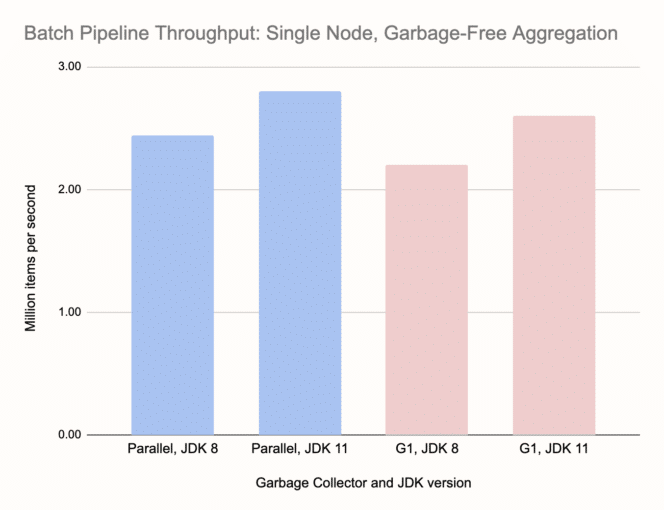
6,156 viewsThis is a followup on the series analyzing performance of modern JVMs on workloads relevant to the use case of real-time stream processing.
Marko Topolnik
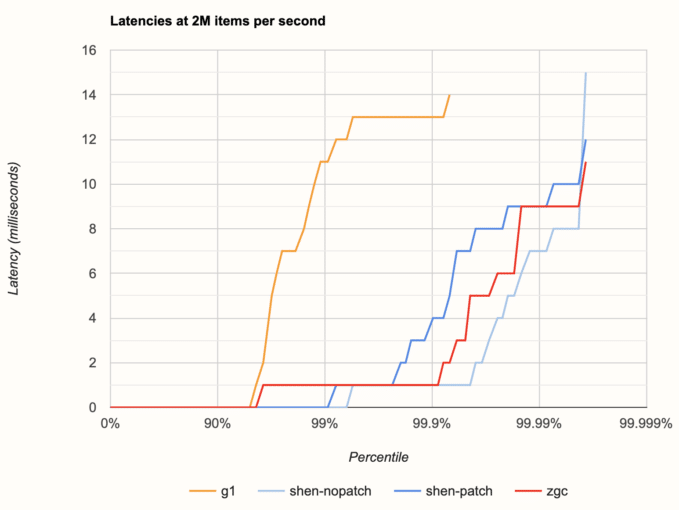
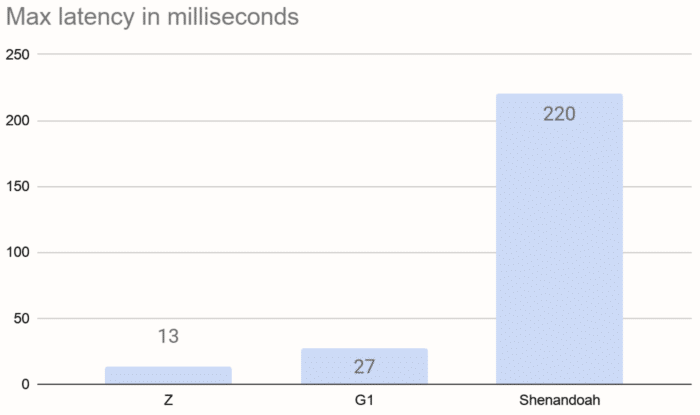
9,250 viewsLet's consider the experimental low-latency collectors in this round, since their very short GC pauses have no effect on the test result.
Marko Topolnik
9,626 viewsHazelcast put new Java technologies to the test on workloads typical for their distributed stream processing engine, Hazelcast Jet.