
 Rob Austin
31,411 views
Rob Austin
31,411 viewsTop 7 Java Microservices Frameworks
It's crucial to understand the trade-offs and ensure they are the right fit for your specific context before moving ahead with a …
Rob Austin
31,411 viewsIt's crucial to understand the trade-offs and ensure they are the right fit for your specific context before moving ahead with a …
Rob Austin
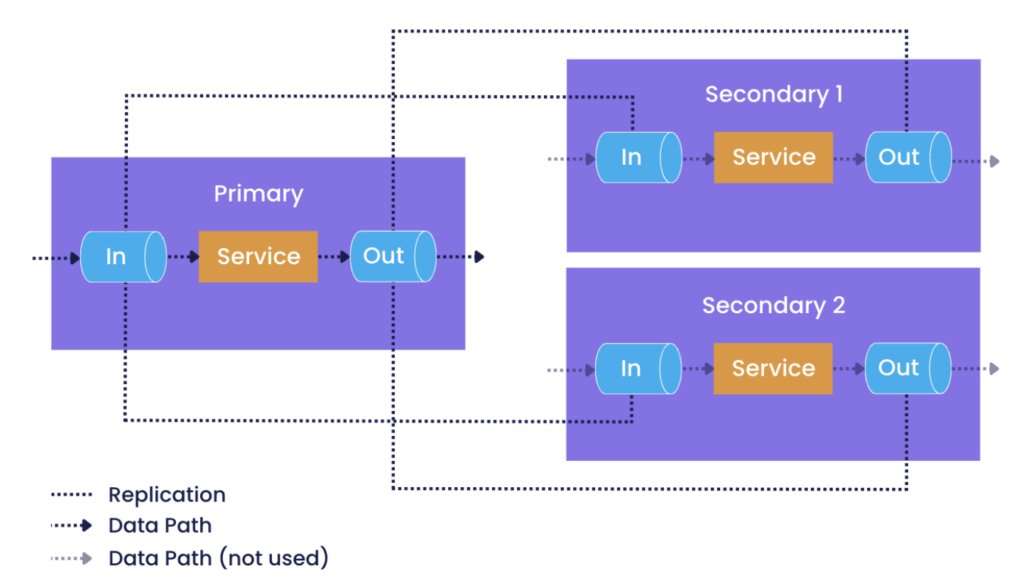
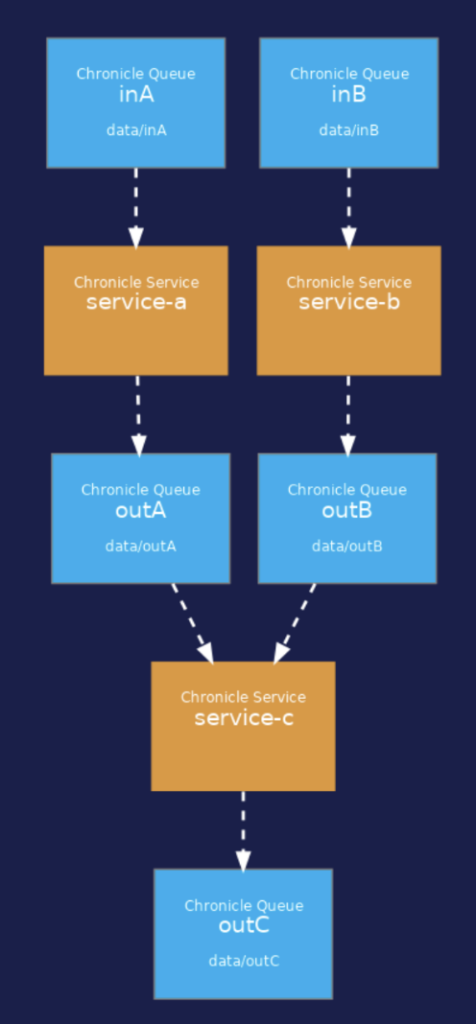
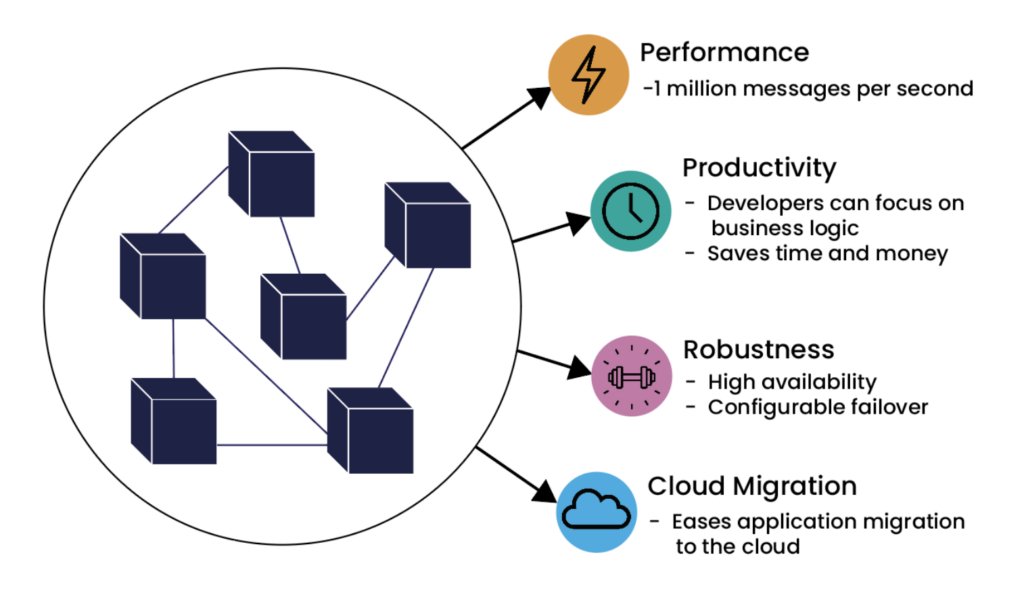
8,418 viewsLearn how Chronicle Services, a Java-based framework optimised for low-latency microservices, meets critical requirements by integrating HA, …
Rob Austin
3,605 viewsLet’s examine the world of failover strategies and explore how they safeguard software continuity.
Rob Austin
7,915 viewsRenowned for its resilience and low latency, EDA is a reliable choice for developing robust, high-performing microservices.
Rob Austin
3,676 viewsSometimes time spent reinventing the wheel results in a revolutionary new rolling device. But sometimes not!
Rob Austin
6,614 viewsOne subject that often evokes a lot of debate is which is the best OS to develop a Java application on. This article gives my view!
Rob Austin
6,937 viewsAn initial goal of Java was to “write once, run anywhere”, but does that mean we should not be sympathetic to the hardware?
Rob Austin
4,195 viewsLearn how to use method chaining to add routing information to serialised data structures in a lightweight fashion!
Rob Austin
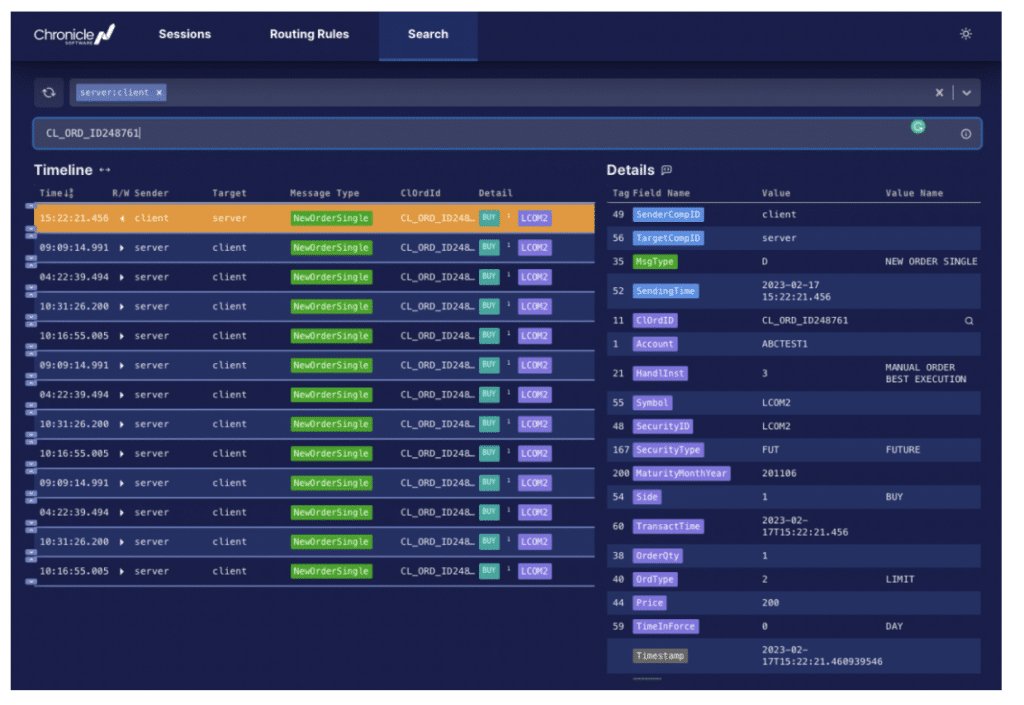
5,199 viewsIn this article, we explore the challenges in developing a Graphical User Interface (GUI) for Financial Information Exchange (FIX) data.
Rob Austin
8,621 viewsCheck out some of the key points to consider, as well as a full code sample, when choosing to use event Loops!