How Gradle Works: Startup
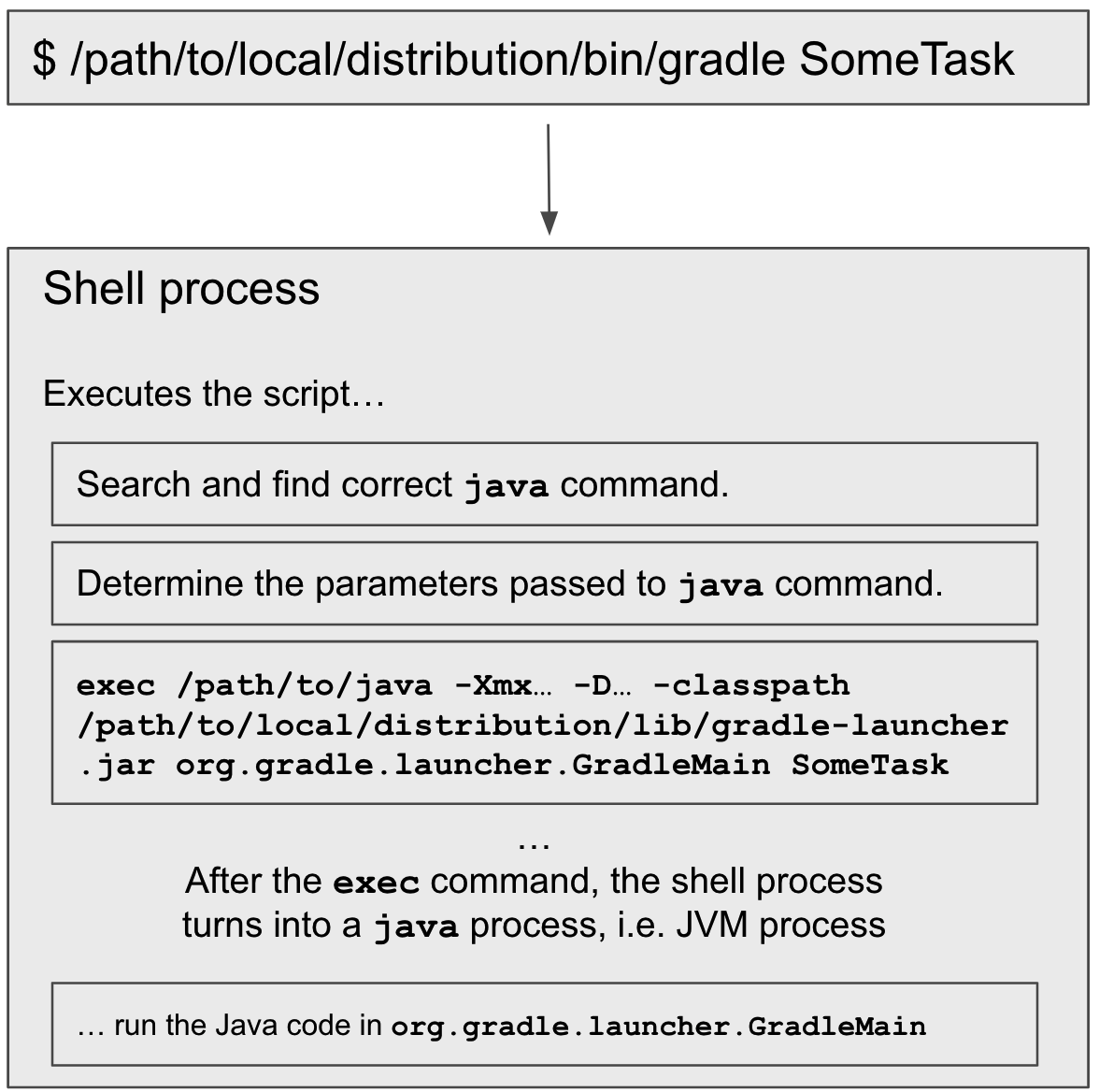
This is the first of a series on how Gradle works! For example, how does Gradle start up and how many JVMs are involved in a Gradle build?
This is the first of a series on how Gradle works! For example, how does Gradle start up and how many JVMs are involved in a Gradle build?
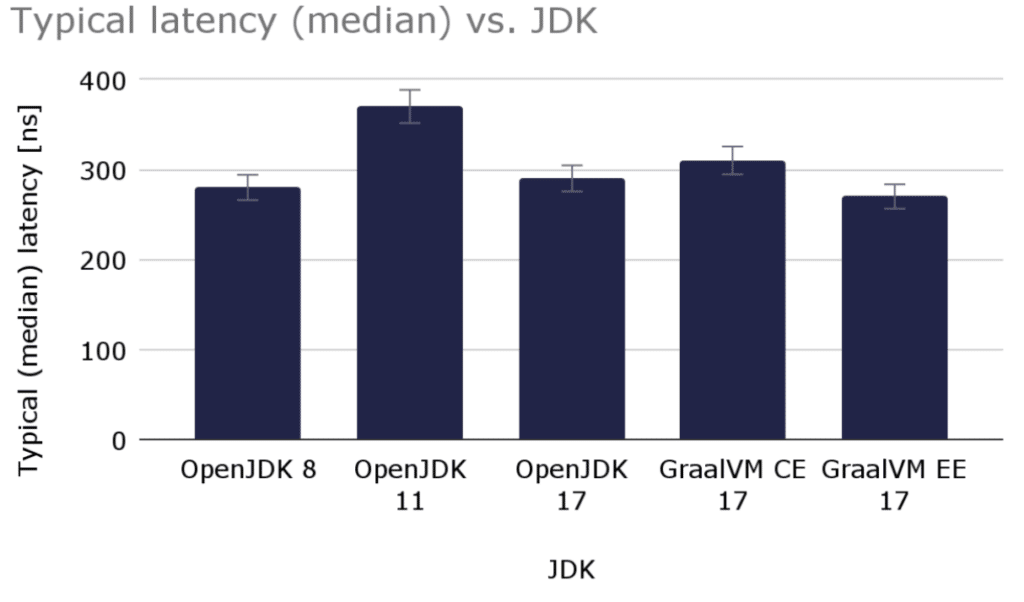
How is a high-performance, low-latency Java application affected by the JVM version used? Find out more on Foojay!
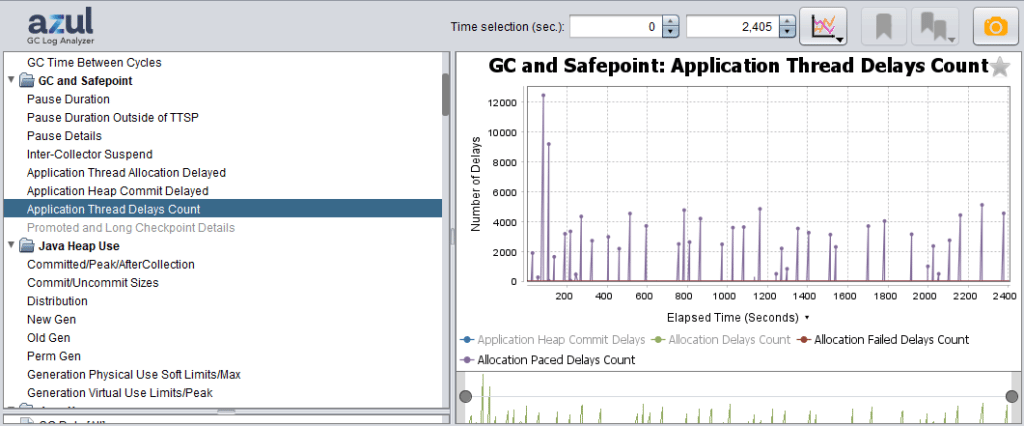
Allocation Pacing (AP) is a technique within the JVM of Azul Zulu Prime builds of OpenJDK to prevent long memory allocation delays.
Check out this overview of the functionality of the Garbage Collector and the things a developer should know.
Optional is a Java class that provides a way to handle null values in a type-safe and efficient manner. This tutorial will cover the …
Learn how to set up a service that hosts the Spring Cloud Config server and wire our Neo4j microservice as the config client service.
Java bytecode may be modified to provide functionality, profile code, or obfuscate it. We'll examine examples in this brief article.
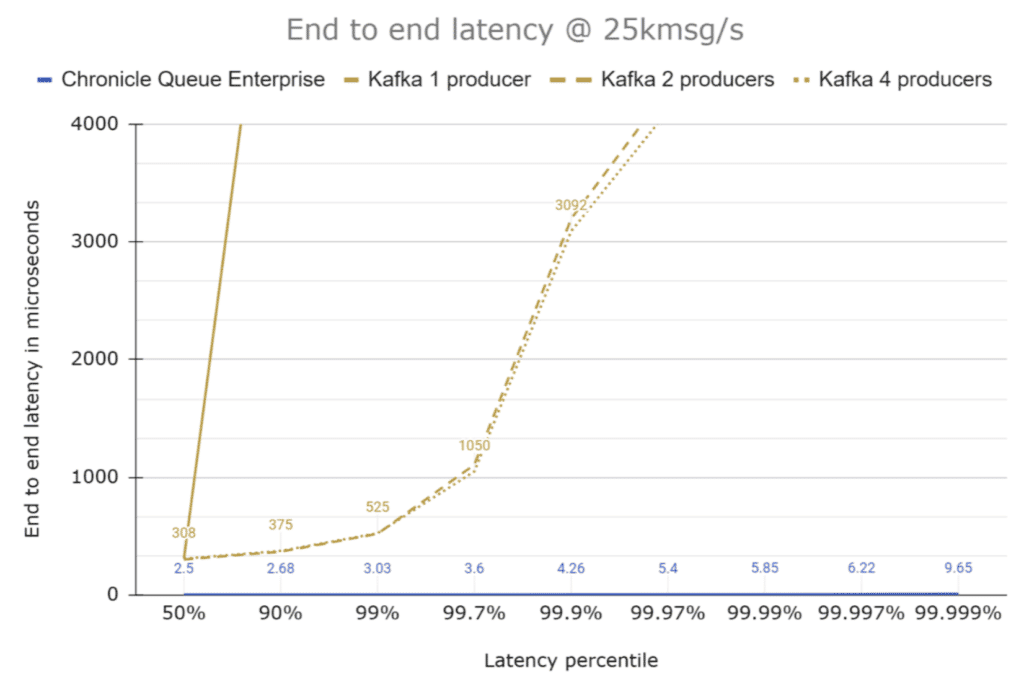
Kafka benchmarks aim to discuss low latency characteristics of Kafka. Instead, they appear to be configured for throughput rather than low …
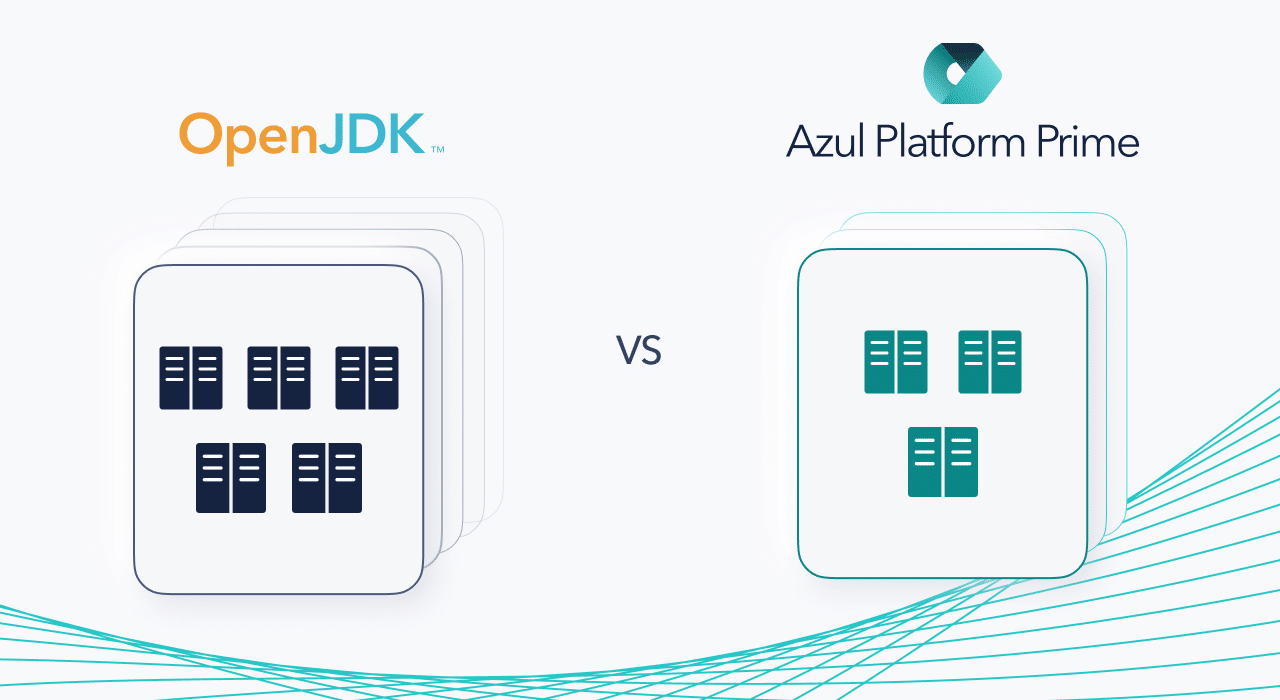
Learn why when you use hyper-optimized Java runtimes instead of vanilla OpenJDK you do less tuning and debugging!
About 400x more instances can be run on the same hardware with Chronicle Queue for specific latency-sensitive EDA applications.