Foojay Podcast #49: JCON Report, Part 1 - JUGs, Communities, Generative AI, and more!



 1 min read
4,806 views
1 min read
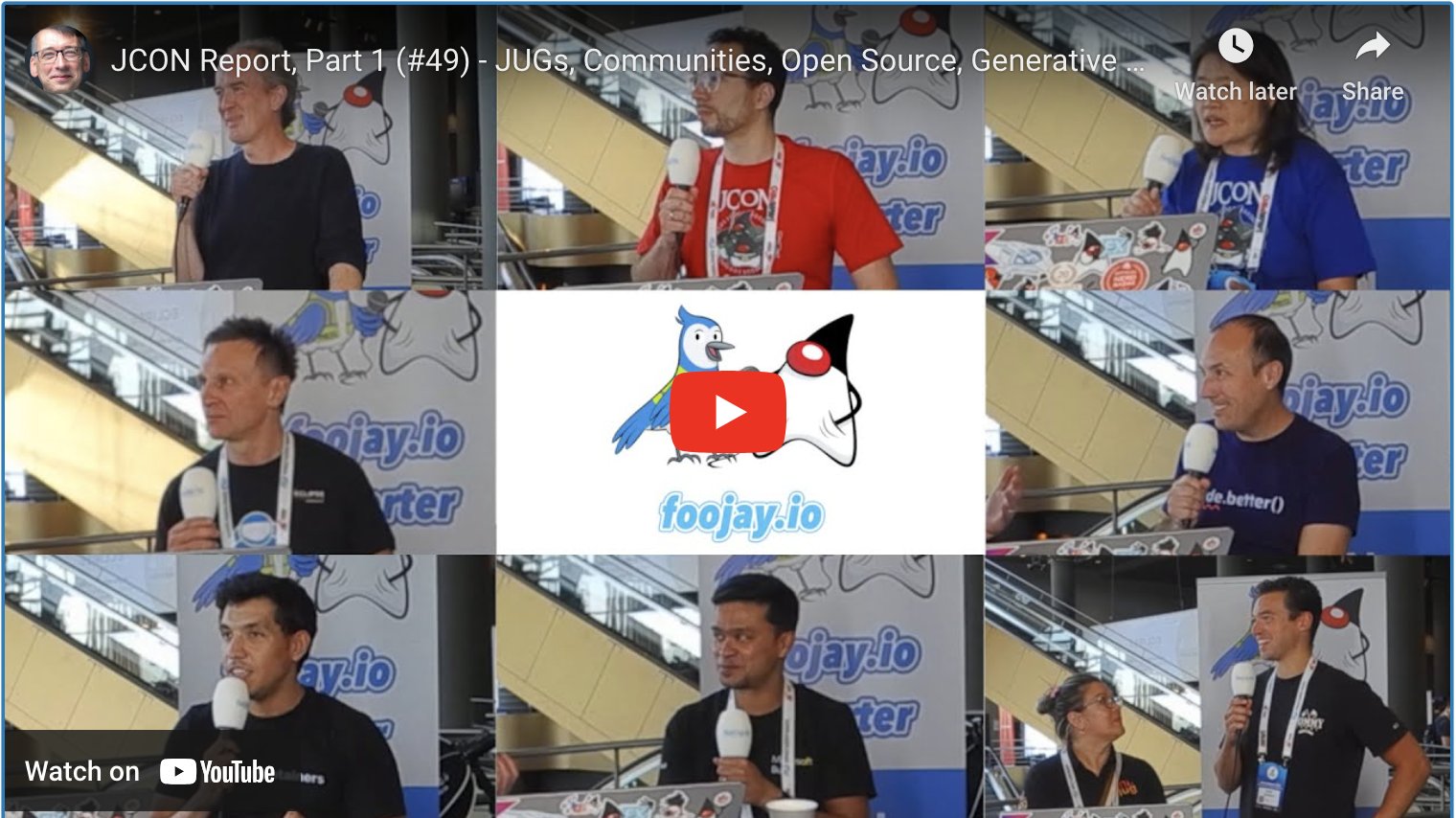
4,806 viewsOn Tuesday, May 14th, the Foojay Podcast went live at the JCON conference in Cologne, Germany, to talk with speakers and visitors about all things Java.
We had so many amazing talks that we will combine them into several podcast episodes in the next weeks.
This is part 1 about JUGs, Communities, Open Source, Generative AI, LangChain4j, Machine Learning!
Video
Podcast Apps
You can listen and subscribe to the Foojay Podcast on:
- Spotify
- Apple Podcasts
- And most others…
Content
00:26 Geertjan Wielenga: Founding father of Foojay.io
https://www.linkedin.com/in/geertjanwielenga/
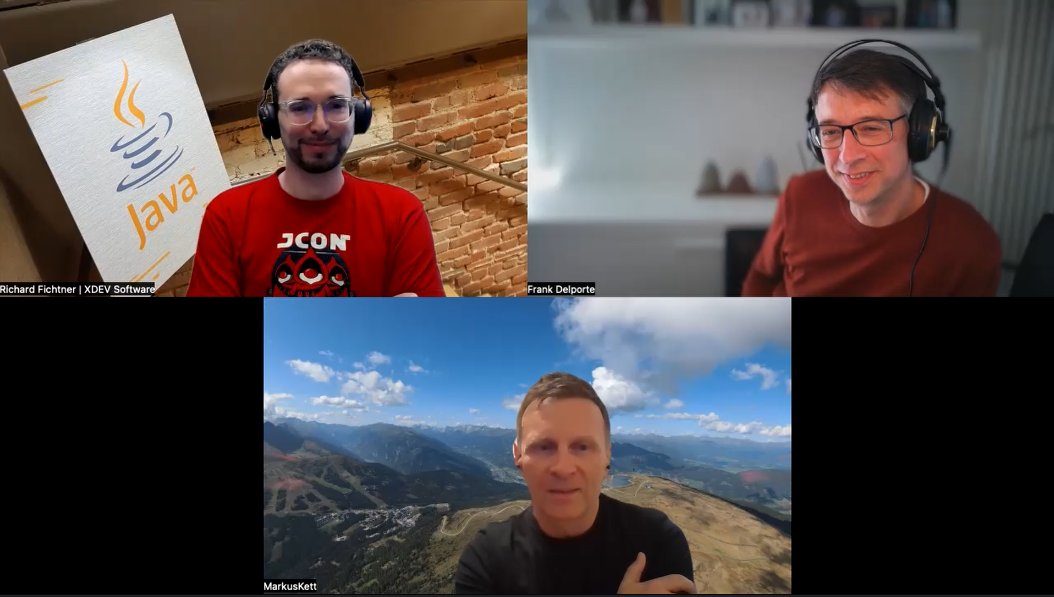
01:18 Markus Kett: Organizer JCON and JUG Oberpfalz
https://www.linkedin.com/in/markuskett/
04:47 Richard Fichtner: Organizer JCON and JUG Oberpfalz
https://www.linkedin.com/in/richardfichtner/
07:04 Jonathan Vila: Organizing Communities, JUGs, and events + Sonar, how can tools be both available for free and still make a profit as a company
https://www.linkedin.com/in/jonathanvila/
14:55 Soham Dasgupta: Community spirit, Talks about Generative AI
https://www.linkedin.com/in/dasguptasoham/
21:29 Mary Grygleski: Volunteer at JCON, Organizing Chicago JUG, Talks about Generative AI
https://www.linkedin.com/in/mary-grygleski/
30:16 Mohammed Aboullaite: Java and Machine Learning and training models
https://www.linkedin.com/in/aboullaite/
37:16 Simon de Groot and Richelle Bussenius: Organizing NLJUG, conferences, communities, and Masters Of Java
https://www.linkedin.com/in/simon-de-groot-ab832a169
https://www.linkedin.com/in/richellebussenius
Transcript
Automatically generated from the audio, so it can contain errors in names and technical terms. Suggest a correction.
[0:00] Welcome to the f j podcast all your news about OpenJDK on Tuesday May the 14th I was in Colonia Germany at the Jon conference I spoke with speakers and visitors about all things Java I had so much amazing talks that I will combine them into several podcast episodes in the coming weeks let’s start with heran willinger who joined me to the conference you are the father of Foojay explain what we are doing here today well we’re here to do exactly this to make a couple of podcasts live at the jcon conference fantastic conference hundreds of people are going to be here today and we’re going to speak to as many as possible about what they’re doing with Java what excites them why they’re here if they’re doing a session what it’s about just to connect with people and bring them together as friends of OpenJDK yes so we are here at Jacon in K Germany there are four rooms so there are a lot of speakers today but also the next days we’re only here today for the podcast yes we’ll see who we get here at the desk to talk to you will be my partner in crime to find them absolutely let’s first listen to two of the
[1:12] Organizers of the conference and Java Pro Marcus Kent and Richard fitner I’m Marcus I’m COO of micro stream and run the aclipse store pro project together with my team the open source project I’m one of the founders of the Jon conference and one of the co-organizers together with Richard and the Java User Group overs and also editor in Chief of the job room magazine so people who are regular listeners and Watchers of this podcast they have seen you in the previous Edition where we talked about jug over plots and about this conference we are at the beginning of the day is everything running smoothly yeah I hope so because I don’t have to be involved in organization so thanks to Richard who organizes the conference so yeah looks great people are no panic yet no Panic so we have more participants than last year and we’re growing and so we’re super excited to have you here check on I’ve seen indeed when I entered the room it’s really quiet everyone is relaxed it’s looking forward for Funday Java Funday and JVM and everything related to that how many
[2:28] Speakers do we have during the whole conference oh we have more than 100 International speakers great speakers again so a great schedule and I hope we have a lot of participants how many people are visiting it is a surprise because more than thousand people have enroll for the conference but because we give the job user group members tickets for free so we have a high no-show rate so it depends it’s always a surprise yeah but it’s it’s a nice venue it’s a nice organization so I’m hoping a lot of people are indeed coming there are a lot of speakers so a lot of activities that they can do here a lot of exhibitors also I think they are very important to get this organized yes so it’s we are all enthusiasts so we love to do that so and we do it not for commercial purpose so everybody’s motivated and we love Java and so to get in contact with the speakers and the participants is awesome and so everybody’s very motivated here in the organization and we have also a new feature this year so with we have the app brella where the
[3:49] Participants can book a meeting with the speakers so you can get in contact with the speakers and ask you questions in a 15minute chat with all speakers at the that were the one-on-one talks that you can have so you can really reserve a speaker yeah privately for you to ask your questions or right maybe you have IDs to improve their product or their Library something like that yeah right so because at Java conferences we see all these great speakers at the stage but most people have a lot of questions and some people are shy don’t want to ask questions and interrupt the speakers while they have chats with other participants or other speakers and so no way to get in contact with the speaker really and so with this new feature you can really book a Ono one meeting for 50 minutes can meet and ask you individual questions yeah so this a great idea is valuable yeah hi my name is Richard I’m organizing this conference okay we had your co-organizer a few minutes ago and you were already in the podcast the previous podcast of Foojay so people who are regular
[4:58] Viewers they may know you is it hectic or is everything smooth I’m kind of leaving the Panic zone now everything is running smoothly I’m waiting for day two because on day one a lot of things go wrong and so I’m waiting for day two where everything falls into place and just runs but I haven’t seen any Panic or so I think everything is okay we are hiding it very well I think that’s the same message I get from every conference organizer is the first minutes you think everything is going wrong but at the end it just flows and it’s just happening and every everyone is enjoying the sessions absolutely that’s is due to our amazing team that works behind the scenes to make this all happen and that bring all of the small problems to an Halt and make a great experience for of our attendees a lot of volunteers I’ve seen that are helping you I seen also Marie who’s coming from the US us yes from Chicago she’s coming from Chicago especially but is she also speaking she’s also speaking yes yes so this is a kind combined effort here yeah yeah yeah but that’s that’s the thing I love about the Java
[6:11] Community that everyone is open to help not only at conferences but also if you have a question about a library someone created or a project you can really get in touch with these people you have these one-on ones here at the conference but I’m sure if you bump into someone here in the exhibition Hall you can just ask any question to everyone absolutely that’s what I love about the Java community that people are so approachable and with our onetoone thing that we are trying out here at the conference we want to make it easier for people to engage in those onetoone sessions because if you don’t know people it’s all sometimes hard to approach them and with our onetoone app where you can have a meeting with somebody that you want to talk to we want to make it easier to lower that hurdle a little bit Yeah okay Jonathan Villa visited Jacon as a speaker with a talk about communities I’m Jonathan I’m speaker here at Jon for the second time so I was here last year and now again this year I already had my talk so I’m free as a bird relaxed and yeah first thing in the morning this is my
[7:20] First time for me having the first talk in the morning I think I prefer other slots but yeah for on the other side once you deliver your talk you’re free so now I’m happy so actually it was the keyn note maybe there were several at the same time exactly yes yeah there were four at the same time yes what was your topic well my topic was about talking about communities and events I’ve been part of communities for the last 12 years being well helping in a Java User Group organizing events speaking there also organizing a conference and speaking in other conferences like this one and finally I have like the dream job for me some since time ago that it is to be developer advocate so connecting to developers so yes my talk was about sharing my experience and sharing the things that I think people can use in order to take more more benefit from attending meetups first to know that there are meetups that there are Java user groups that there are groups like Foojay sharing information connecting people that’s that’s super important but I think not everyone knows that so I
[8:53] Wanted to give a talk about those topics and that’s also the message we want to spread with FJ that you can learn from a lot of people a lot of people from within the Java Community are sharing their knowledge in blog post in videos in Articles it’s it’s it’s amazing the job that you’re doing at FJ it’s super great I’ve had the opportunity to share some articles and talk in the slack and I have to say that because of Foojay we organized Netherlands tour meetups for me in five minutes it was amazing I’ve never done it so fast and yeah it was great an amazing experience and Foojay connects people and shares content so it’s one of the best places to go yes beside Community work what’s your role as a developer advocate well I work for sonar it’s a company that probably people can know because of the tool sonar cube a static analyzer and I work there as a developer Advocate trying to connect people trying to be one person from the company in the developers communities trying to help them just to obviously share the tools and the knowledge behind our company products
[10:29] But more than that just to be present in the developer communities get feedback know them and fit the company and yeah basically to be a bridge between developer communities and the company sonar is a company so it has to make money yes it has to pay you and a lot of other people U but still in my intelly I have a free plugin Yeah by sonar that shows me what but I did wrong a lot sometimes yeah how can you do that still give so much for free and have a company I find this amazing a lot of Open Source libraries are also coming from a company I think that’s a difficult exercise what do we give for free and what is paid yeah definitely the company as you said needs to make money but I think that from its foundation it was funded on top of an open source tool sonar Cube that was open source the thing is that the founders believed in open source and they are they still believe in open source and that to connect to communities to connect to developers you first need to deliver you need to First give so developers use sonar lint as you said for free to analyze well more than 30
[12:11] Languages in your ID but then you think yeah but then how can sonar pay salaries but yes the progress is that you start using Sonar lint then you maybe use sonar Cube also the Community Edition it is free but then at a certain point you need some features or you need some support that you cannot have from the community Edition then your company start thinking okay maybe we should pay this company to have more Professional Services behind that and that’s why well companies start for free and then at a certain level they move to the PID version and that’s I have to say that not all the companies know how to do this and they are successful on this so among others sonar has been very successful on following this approach we had a discussion in one of the earlier podcasts how to become rich with your open source project it’s difficult that was the conclusion well I don’t know I’m not rich but yeah I assume that to be rich yes it’s not that easy and you need to have a very good project a very good product and to connect with developers and also be in the right moment in the
[13:41] Right place and solve a real problem yes you can do that I’ve seen this with one of my Belgian Java Heroes who has created job Runner yeah he also created an open source project and built a company on top of that again providing extra feat and support and so it is possible indeed yeah definitely it’s possible well we have a company a very known company that makes their life having a lot of Open Source Red Hat has lot of Upstream projects and lot of people contribute that they contribute to that and yeah for some of them they have the productized downstream version and they make money on that but they still contribute a lot I have to say that not everyone does it and as successful as as but that’s that’s the open sour Community feeling in need the same with jet brains you can have a very good ide for free and then pay for the extra features again exactly so yeah of course jet GPT AI machine learning was also a Hot Topic at jcon my next guests had to talk about it sometimes people arrive here at the booth I shake them a hand and the next minute or second they are here at the
[15:00] Seat who are you and what brings you to job thanks a lot my name is sham and what brings me here is community Java Community I’ve been away for a from a physical conference for a long time I saw you last on for Dam but that’s a different side of community than this and I was missing people to meet and shake hands and say hi and that’s the first biggest reason I’m here and there are a few sessions I really want to attend and that’s why let’s first compare fosdem so fosdem is an open source event it’s not really a conference because yeah it’s it’s organized a bit differently but a lot of different topics in a lot of rooms yeah and Java was only a small part of small part of it yes while here we are it’s all about Java Java and gvm let’s call it like that and there’s also open source s of it h open source s indeed because it’s also a j organizing what’s your main activity within Java my main activity within Java changed over the years for a while to be honest and I mean last one year I’m quite busy with jna and Java integration AI is one side where Java
[16:19] Is not so strong in my opinion and that’s changing and I really like the way it is going right now there are so many different sdks to work with much easier to work with AI even though I don’t have a data and AI background never studied that properly but still as a Java developer and with ideas to bring to the market I can still work with it and I quite love it actually so that’s that’s really the Focus right now for me and that’s the strong thing about the Java Community all these amazing libraries and toolkits I don’t have any knowledge about machine learning Ai and still I was able to create a chat application in Java vix because of LangChain4j yeah which is one of these amazing liaries you presented it on for as well and that was indeed my topic mainly what went wrong during that development because I’m not an expert and yeah trying out things and that’s what we can do with these true I was talking to Mary downstairs and it’s still a niche we both agree we are in Microsoft me and Mary also we are very close to this technology so we also have a bit of a
[17:29] Tunnel vision so when we look outside and that’s why I move around and visit all these conferences Community to understand where everybody else is and what can we do to bring them to the level where we want them to be honest so I feel it’s still Niche and we have a lot to learn we have a lot to achieve and over in this year I think it’ll it’ll grow a lot and it’s changing so fast yeah to be honest yesterday there was the announcement of for which is combining I didn’t I just saw few tweets combining video and audio and image and so you in my opinion it’s a it’s a very modernized version of CD or Android Voice Assistant but it can do a lot more so you can process images audios translate everything you can have a conversation with it so maybe maybe you can also have a live conversation with GPD 40 right now and it if you tell this person how to behave what is the background of it and it’ll it’ll do a conversation just like a normal person which is scary and pretty amazing at the same time I don’t know this kind of a feeling you that’s what happens with most new
[18:47] Technology it can also be very scary yeah that’s why a lot of developers think that their job can become obsolete while it’s actually maybe just an extra tool yeah I believe it is an extra tool and it’ll only make us stronger to be honest every technological advancement always went through the phase of scariness and then adoption came up properly or it went down properly and I think we have a we have a lot to achieve here and we have a lot to process here as well without humans AI is nothing so yeah if if you are afraid of AI then I think you need to learn and embrace and know more about I use it I’m making a projects my first steps into cotland for instance and I asked chat GPT to guide me there give me an example of how I can do this and that’s how I learn for instance now a new language or a new way of programming yeah coding side to be honest I am still not really convinced with AI capabilities yet although GPD 40 the one which is released yesterday it claimed to have a better coding style and also stack Overflow is combining with open AI yet to see what happens but I still
[20:03] Think it is very primitive the coding generation code generation aspect of it but we will get there because this is just a starting point everything should start somewhere and indeed it’s not always correct but that’s how you learn that’s how you learn how you learn how to fix things and you said you looking forward to a few of the talks yeah any particular ones you can mention I’m looking forward to one talk about the basics of off so kubernetes API Gateway what’s the difference between API management API Gateway so it’s a very my day-to-day work is about infra architecture a little bit of app architecture as well but these are the concepts which I try to explain as well so I’m quite curious how abdell gonna so he’s from Google I’m gonna I’m quite curious how he’s gonna explain that another good talk that I’m looking forward to is I forgot the name of the speaker sorry about that but he’s going to he was he’s going to share his experience on implementing a large language model board so I’m also curious because I’m working with a lot of startups in
[21:09] Netherlands and they have their own problems I want to I want to see what this person has faced or they faced in doing it so these are the top two one I’m I’m really really looking forward and there are a lot more there are a lot more I mean I cannot it’s just super too much I’m glad they put out on YouTube because I can watch it later on yeah yeah I’m Mary gesi I’m here at jcon as first also as a speaker then also helping out as a volunteer and also I’m also on the program committee so kind of multifunction but it’s just glad to be here it’s not like work it’s like fun yeah to be here seeing all the people yeah can you explain me how you got involved in Jon in Germany yeah you live in Chicago right that’s correct yes how this mix yeah I think first I think the connection is the Java users group because the organizer here Richard and this company they are very evit and you know enthusiastic J organizers here in Germany and then I met Richard too at some conferences from speaking every fellow speakers and then somehow I even forgot exactly how but then because of this connection speaker fellow speakers
[22:22] Fellow jug leaders and that’s how I became involved to with JC con and on the program committee which I’m so honored feel so honored and yeah and I love coming to Europe and so yes yes I yeah of course I’ll be here you were already in one of the Foojay podcasts I think about we talked about the ju that’s correct so you’re organizing ju Chicago yeah that’s correct jug Chicago yeah and that’s the actually we also have another Illinois jug but that one since Co has been quiet but for us Chicago jug we’ve been you know keep going for throughout this whole time yeah so yeah I’m still very very much very actively engaged and doing a lot of work and all that speakers and you know from that to getting venues getting sponsors all these things yeah it’s yes it’s fun and it’s a important part of the community we just talked about the community some right a lot of developers are not aware of the JS that they exist that they are maybe in the neighborhood you’re right so we should probably be talking more about them so that people are aware of them that they can go to a j and learn about what’s
[23:27] Evolving in Java yeah yeah that and Frank you’re exactly right it is very true when we work with it every day we think we know so much but it’s the fact that there are also new people getting into the ecosystem and you’re right that’s a great reminder yeah we need to also do more promotion yeah like advocating for it too yeah yeah so that’s my homework when I get back to Chicago I gotta like start promoting more yeah and also postco is actually a bit of a challenge trying to get people to come back back again so yeah I hope to do that you’re also a speaker yes what’s your topic sure I’ll be talking about generative AI so gen AI chat GPT all these things and just so happened in my last job I was there starting to do gen and I see a lot of potential in the Java space I mean Java is such a robust language yeah some people might say oh it’s old but I don’t think so we are such like a robust language and very strong ecosystems and can handle things you know kind of in a production in a multicluster type of environment and I see just a lot of potential so my job here is to really
[24:35] Talk about gen what it is it’s not unreachable and it’s a growing area very hot and everything so that’s what I’m going to talk about more introductory generative AI also introduce a vector database similarity searches which is so important in doing chat GPT type of searches so yeah yeah I’m not an expert in this topic I just did an experiment with Lang chain for J yeah which is amazing because what you can do again it’s Java if you have a good Library you only need minimal code ex exactly to achieve something yeah you say Java is old but Java is also very much evolving yes do you think that Java is evolving fast enough in the good direction to be able to do more with this chat based machine learning AI think sure I feel definitely Java can advance more but I think the reality it is that there doesn’t seem to be as many open source groups that are actually focusing their efforts in developing libraries however you mentioned Lang Ching 4J I think it’s a very good one and they are you know kind of going after the concept of the very popular now JavaScript and python based
[25:46] Lang chain so that’s a one really good Library I think that’s still a little lagging behind at the moment but I do see you know it’s if we make it more and more people being aware of it you know advocating more I feel more people jump on board of it and promoting it I see a good potential of it becoming like the you know the deao SDK for developing Java libraries that’s interacting with large language models for example is that also what you’re using in your talk yeah that’s right I will also be introducing a little bit an introductory on how do you what kind of libraries you can use as Java developers yeah LangChain4j for example and there’s also a Microsoft to they also have an open source like semantic kernel for example they also have Java SDK and some others too that I will also be discussing they may be lesser known but there are also some open source libraries here and there I see that spring is also doing something I don’t know what’s behind it or maybe it’s their own thing I don’t know sure yeah and you reminded me yes and in fact I want to get my hands on into it which is
[26:47] Spring yeah you know with Java ecosystem who would be you know spring would never be left behind so yes yeah spring AI so that one I myself I have to admit at this point I haven’t had chance to work with it yet but I do see it being spring ecosystem I’m hoping to through spring the framework bringing in AI functionality I’ll be very interested to see how it works but I understand at this point too it’s very very early stage and yeah but I I’ve also read that it should be coming up pretty soon up and coming so then we have all these things going on in Java jeets for memory improvements and vectors and I guess this will all have impa on performance on what you can do with Java combined with AI oh yeah totally in fact my previous company I worked for Jonathan Ellis he was doing this J Vector which is at the moment kind of more applic applicable for data Stacks their manag Cloud platform J vector and it’s actually very efficient and makes use of project Panama working with Vector Vector API so yeah that that’s also I think it’s it’s in the works there a lot of things going on so yeah yeah you’re a
[27:57] Volunteer here yeah so does that mean that you have time to visit other talks oh yeah that’s right yes yeah I will find time that’s for sure yes yes you schedule something because we just had a discussion if you should schedule your talks up front or not oh yeah yeah that’s right yes yeah so any anything you’re looking forward to for this particular conference yeah I think mostly I have to say I mean as much as we’re kind of looking for technical contents but at the same time being able to see people otherwise I’m working remotely from home yeah sometimes you just see people oh goodbye and you turn off your computer but here it’s like great you see people you can kind of like shake hands and hug and yeah so I’m kind of really that part the people engagement in interaction is so amazing I love it every time I come yeah so amazing that you come from Chicago yeah that’s right yeah yeah exactly thank you I find this so unbelievable all these people in devel and related jobs that you’re traveling so much yeah spending a lot of time at conferences isn’t that also hard yes I do have to admit it is not
[29:05] Easy but amazing every time right for me when I was leaving home I said oh I got to pack my suitcase and all that and all my tickets and I have to make plans but every time once I’m there I oh this is great I’m so glad I’m here you forget about all the pain so to speak it’s not really pain but I do have to admit I was at devox UK right before this and my flight actually they the connecting flight was delayed or no canell and so my suitcase was lost and that was a pain in the neck yeah but eventually worked out yeah yeah but it was it can be kind of challenging in that sense but to me though I think the benefits of being able to interact and you know kind of talk with people in person I think that kind of outweighs any other pain you have is kind of no pain no gain but this is like good you know I’m just enjoying myself fully when I’m here yeah and enjoying Europe I can understand as an American yes yes enjoying Europe so much yeah I was like at the Cathedral here in Cologne and say oh amazing yeah I love it yeah yeah I walk I like walking on Cobblestone ground it’s ah nice yeah yeah the things
[30:10] The buildings are a thousand year old or something I love it so yes okay my name is Muhammad originally from Morocco coming from I’m gonna put it Stockholm and yeah I work as a back and engineer in Spotify okay thanks for having me yeah sorry I had to arrange the microphone a bit no are you also a speaker yes I am and what’s the talk you’re bringing I’m going to talk about not the surprising topic Java and machine learning so basically how we can use Java as a language to train our models and deploy machine learning applications using Java so it’s like end to end machine learning stack using is in complete Java okay but you’re touching something different that we didn’t mention yet yeah is training a model yeah so what I’ve done as an experiment is use l chain for J yeah I FedEd some Json with some docks yeah was that training a model no that’s called the inference like kind of oh you said that you fit it with some data EXA so that’s rag that’s like you are enh you’re adding some knowledge to the gen or llm yeah so it can use this as a knowledge base to retrieve some data but
[31:33] You’re really talking about building a model exactly so I’m not talking about gener generative AI or LMS or all the Hypes around machine just new machine learning going a little bit in the basics to the basics I’m talking about nor nich works and traditional machine learning algorithms and how you can we can use that to train deploy use machine learning models using Java so I’m basically doing a comparison between three Alor three Frameworks one from Eclipse Foundation deep learning for Java one from AWS deep learning or Java deep learning and the third one from Oracle called I forgot the name shame on me it’s in your presentation yeah it’s exactly it’s going to be on the presentation trivia that’s the name trivia or Tri is one better than the other or are they just different or it so that’s basically my what my talk is it’s it’s it’s different on what the use case is I find Java deep learning from AWS to be the most beginner friendly and the most get it up and running quickly so it’s pretty straightforward pretty useful especially if you want to use it or directly using
[32:55] It start experimenting machine learning algorithms they have what we call or predefined models that you can deploy out of the box we call that model zoo and it’s have a lot of abstractions which make it a lot of a lot more easier to work with more beginner friendly if you want to have bigger toolbox and build your things your own and get you know what you’re doing so basically you want to tweak and optimize and stuff like that deep learning 4G is better than that it’s better in that case so which has fullblown Epi that enable you to Define every step in training your machine learning algorithm both Java deep learning and deep learning 4G specializes in nor networks if you only need traditional machine learning and you are especially coming from an Enterprise world that’s what Oracle tribute excels at it’s have a lot of integration with text files with databases they buildt all those integration to make it easier to integrate in Enterprise context so basically that’s what each what the tldr of my talk is each one is better depending on what you want to do with it basically and why do you need to train
[34:10] Your own model so that it can reason on your own database for instance exactly privacy so you don’t want to leak your data to the public right so with llms you either do rag and then fine tune the model within within your data so either you get open source one and F unit so that’s basically retraining and F unit or you basically have a knowledge attached to your llm and there going to public one and that there is a risk of the data leaking somehow or anything so you want to build a model that trained on your knowledge base and your constraints and your data basically so the model is aware of learns about your constraints your imitation your business domain your everything so basically the more data you have specialized on your domain the better the model would be but the con the challenge with that is you would need definitely to have a lot of data in order to have better model so there’s like a question of it’s a tradeoff as anything in software engineering so it depends depend exactly it depends on what your use case but with what you’re saying now it is possible as a developer to
[35:25] Just experiment with this and make some model by yourself just exactly what I’m showing in my talk is I’m I having a Macbook M1 machine so I was able to reproduce I’m not sure if you watched the Tv show the Silicon Valley I know it but so they so basically it was a American TV TV show and then they built a model back in the days hot dog or not hot dog so basically you take a camera you take a picture and then it tells you if it’s a hot dog or not with deep learning 4G I was able to build a model that was trained on some data on my machine and have like a decent percentage Precision around to detecting if a picture is hot dog or not hot dog so it’s it’s becoming now with machines becoming more and more powerful to train our model in our machine and experiment with machine learning algorithms which is pretty good with you mentioned L chain for in the beginning the open source community in the llms sphere is doing an amazing job making large grid models running in our machines in our laptops which is great as well so there’s no excuse nowadays if you want to run machine learning so it’s the
[36:38] Entry the entry barrier entry level is becoming really low and you can do it with Java exactly that’s that’s amazing if you need traditional machine learning and normally it works as I mentioned deep learning 4G Java deep learning or tribo could be a good use case if you want to just use llms LangChain4j is your go-to basically so you can do everything with Java so nothing if you’re a Java developer nothing stopping you today from starting with your journey with machine learning let’s close this episode of the Foojay podcast with two other guests not Java developers but members of the organization team of the nlj hello I’m relle buers I’m the partner manager from the nlj the Dutch da Java developer community and I’m Simon I’m the community manager of the N yuk you are the new community manager I heard yeah new community manager now for three months yes your first conference or it’s not my first conference I think the third and yeah I like it it’s really nice nice people and good environment yes yeah you got also your Java Magazine with you yes you want to promote this well I don’t really need to promote
[37:53] It because when you become an N joke member and then you get a magazine four times a year for free but now I didn’t bring it for nothing today so I know somebody’s going to go like she did she bring it I did bring it I just received my copy last this week the new edition the new edition yeah well we didn’t haven’t seen it at the office yet so okay I have it at home so I’m maybe the only Belgian subscriber I don’t know no we have a lot of subscri yeah yeah it’s only yeah when you have to send it costs a lot of money so but I love the Belgian subscribers it was mainly Dutch articles but you’re switching to English correct yes that’s that’s true we are switching all events to English we’re switching a jall or jring which will be in exactly one month will totally be in English and also JL will be in English so and developers they don’t mind reading articles in English because all terms are also said in English sometime it’s really funny to read the Dutch article with all the English technical words in it so yeah but there is a discussion ongoing on the mailing list on the J
[39:08] Mailing list to maybe have a conference in local languages that this could be important for some people I have the impression in the Netherlands Belgium we don’t have an issue with English but sometimes yes maybe the conversation is easier when you switch to your local language yeah but if you attend the event the language will be Local H but if there sometimes stand boot Personnel are English talking people so then you switch automatically to English and if you are if you studied in the Netherlands you learn Dutch you learn English you learn French you learn learn German yeah I Belgium I should know my French and German but I have to admit it’s a bit a problem my English okay Simon well how do you feel about the community how do I feel the jav community for us as a marit is very f for us as Java developers it’s really great that you can just go to the famous people the famous speakers and just ask them their question they’re very open and very responsive is that a bit the impression you get as as a newb commun for the conferences for the
[40:28] For the Java is this my first one H so yeah this my first experience and the people who have who with who did spoke are very nice and very kind so yeah that’s that’s a good feeling yes yes but it’s it’s all new for me so I have to learn everything and yeah experience everything yes yeah are you here to find new speakers or new sponsors or just for the community we are here for everything for the people and for the for yeah for the companies that are here but also for the speakers connecting we did spoke to the organizer of the jcon and yeah we did connect with him it was very nice to talk with him as well so yeah and they also publishing a magazine so yeah we saw it I really want to see one I have to look for did not find it but they’re switching to digital as far as I know so okay maybe the difference okay any sessions you looking forward to any talks or you just we’re totally not we don’t we do don’t know anything from the development so from it’s nice to have you around here because that’s also shows that it’s more than just
[41:46] Programming this yeah exactly yeah we I was searching for a nice talk with maybe we can find some one yeah just dive in you learn something definitely not about the language it’s about the community it’s about best practices how you organize maybe just not codes but your organization and how you work exactly can be you always learn something yes good well it’s it’s nice to I think it’s also nice to have at these conferences a time slots for all the community the J community and partner manage to come together and to discuss about how about community building and so on because they do it in also in they used to do it at the Java one and I really like to attend it because I went a few times I went like I’m not technical but those were the best sessions ever hearing about the Brazil jerk with 30,000 members you can really learn from them so if that if if we really need something for us for our job then it’s connecting with other Community managers and that’s that’s the nice thing what Brazilian jug is doing but also the NL jug it’s not only a jug you
[42:57] Have a magazine you have train the speaker you have all these kind of speaker Academy speaker the Java game I don’t know what’s the name actually the competition that you have oh yeah master of java Java yes yes going to be big this year yeah yeah yeah we already have a lot of attende subscribing and it’s already on November 6 so if we explain this so it’s a competition the Cod coding competition yeah it’s a fun progging contest but they say it’s fun but if you become one of the best if you win you’re one of the best Java developers in the Netherlands so oh if I may do a commercial break then please because it’s for free but if you feel like you’re a Java developer and you think like well I’m the best java developer in the Netherlands subscribe to Masters of yaava is it per person or per team you can do it on your own H but you can also subscribe per team per two people okay so find find your best colleague yeah find your best colleague do your thing we’re going to arrange prizes this year it’s not of course it’s not about the priz it’s about the fame it’s but it’s it’s
[44:06] Getting bigger and bigger because it will be our 11th time I think we organize masters of yaava and we also very proud to organize it every year okay so that’s the call we going to do is join the masters of java become the best java devel devel the Netherlands yeah that’s it for this first jcon overview in the next episode you will hear several speakers about Maven sonot type disciplined engineering code review code reading and a lot more so a lot to look forward to hear you next week give me a give me a j give me the friend of OpenJDK
Found a mistake, or something to add? Edit this page on GitHub

Frank Delporte
Frank Delporte is a Java Champion, Java Developer, Senior Technical Writer at Azul, Blogger, Author of "Java Programming for Raspberry Pi - A Hands-On Guide to Electronics and IoT Projects", and Open-Source Contributor for Pi4J, Lottie4J, Sheetmusic4J, …
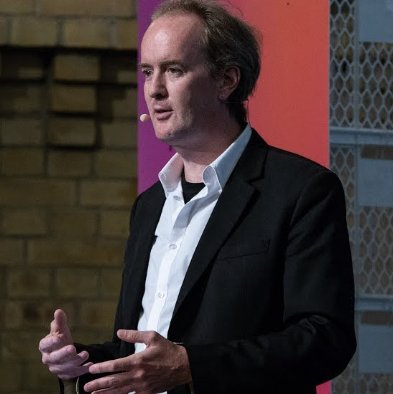
Geertjan Wielenga
Geertjan is an open source and Java enthusiast, Java Champion, Apache Member, and leader of the Amsterdam Java User Group.
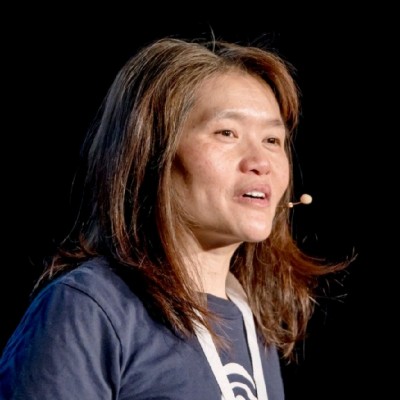
Mary Grygleski
Mary is a Java Champion, and the AI Practice Lead at Callibrity, a consulting firm based in Ohio. She started as an engineer in Unix/C, then transitioned to Java around 2000 and has never looked back since then. After 20+ years of being a software engineer and …
Richard Fichtner
Richard Fichtner is the Principal Software Architect at XDEV Software GmbH, with over 20 years of experience in the software industry. He works at the intersection of business and technology, contributing to the open-source community through projects like …
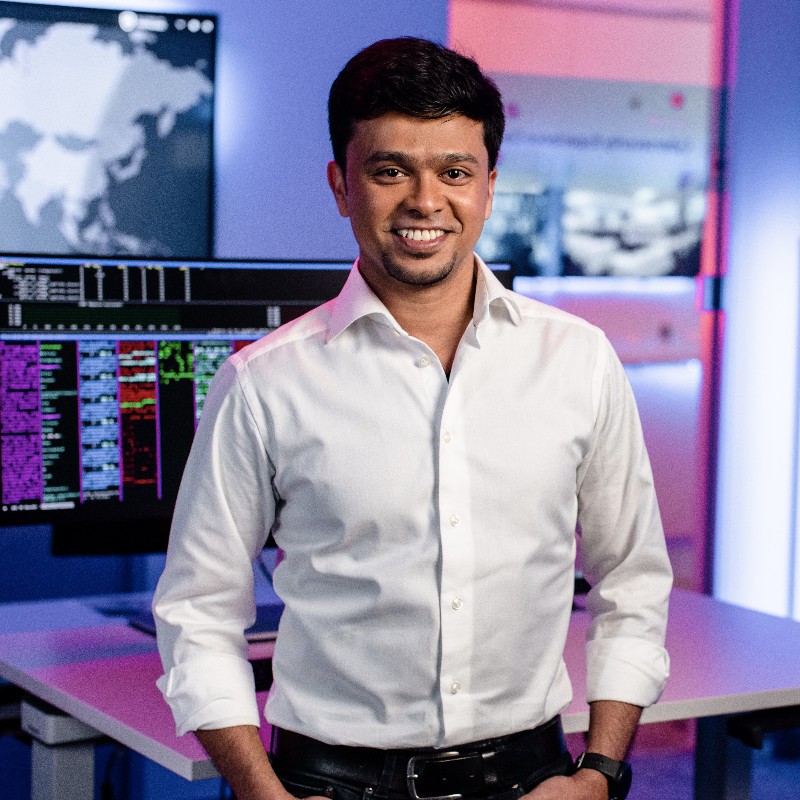
Soham Dasgupta
Technology enthusiast | Agentic AI | Architect | Programmer | Cloud Native | Blogger | Speaker