How Gradle Works: Startup
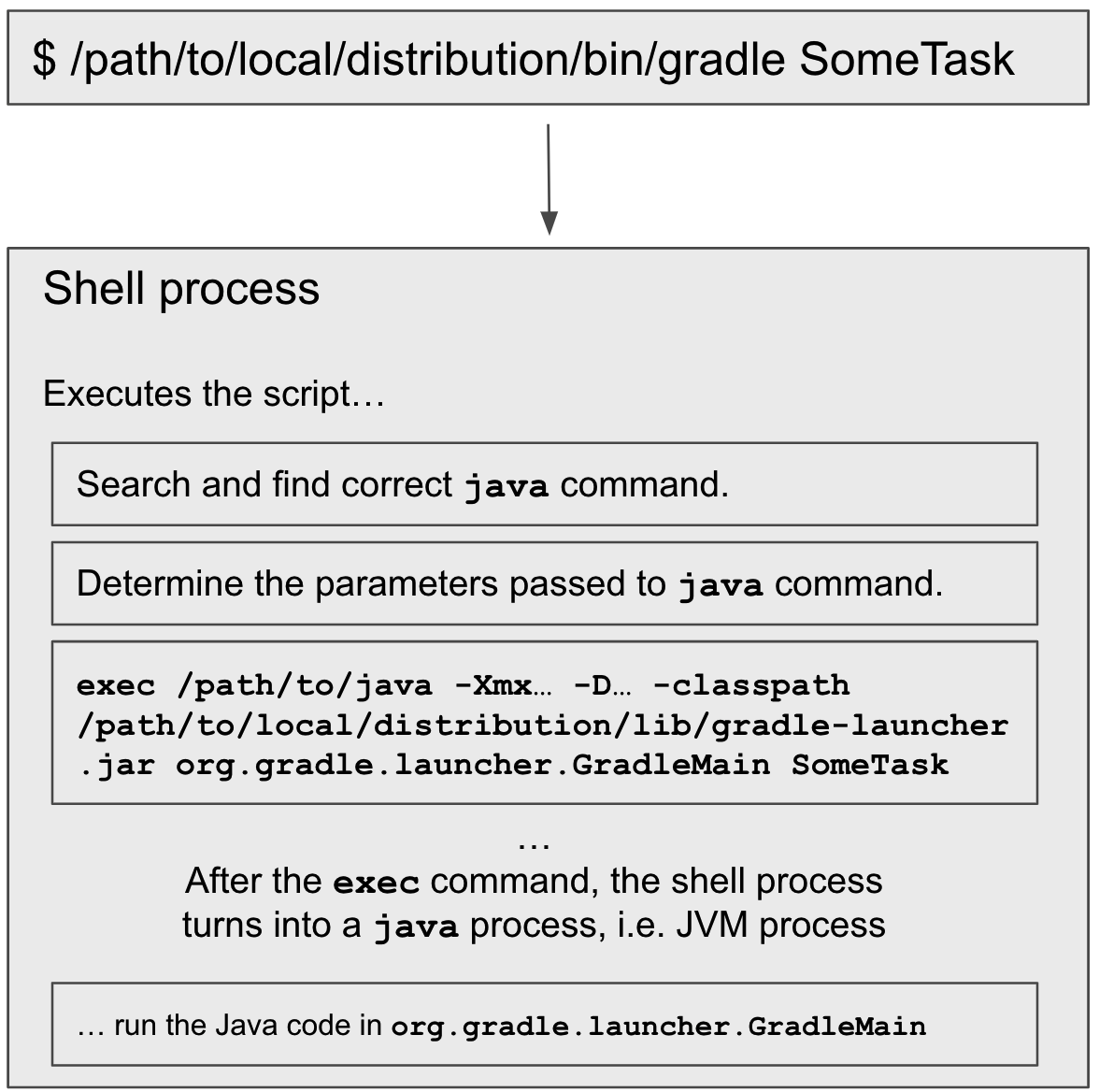
This is the first of a series on how Gradle works! For example, how does Gradle start up and how many JVMs are involved in a Gradle build?
foojay is a place for friends of OpenJDK, providing free, reference materials and blogs for daily Java usage.
This is the first of a series on how Gradle works! For example, how does Gradle start up and how many JVMs are involved in a Gradle build?
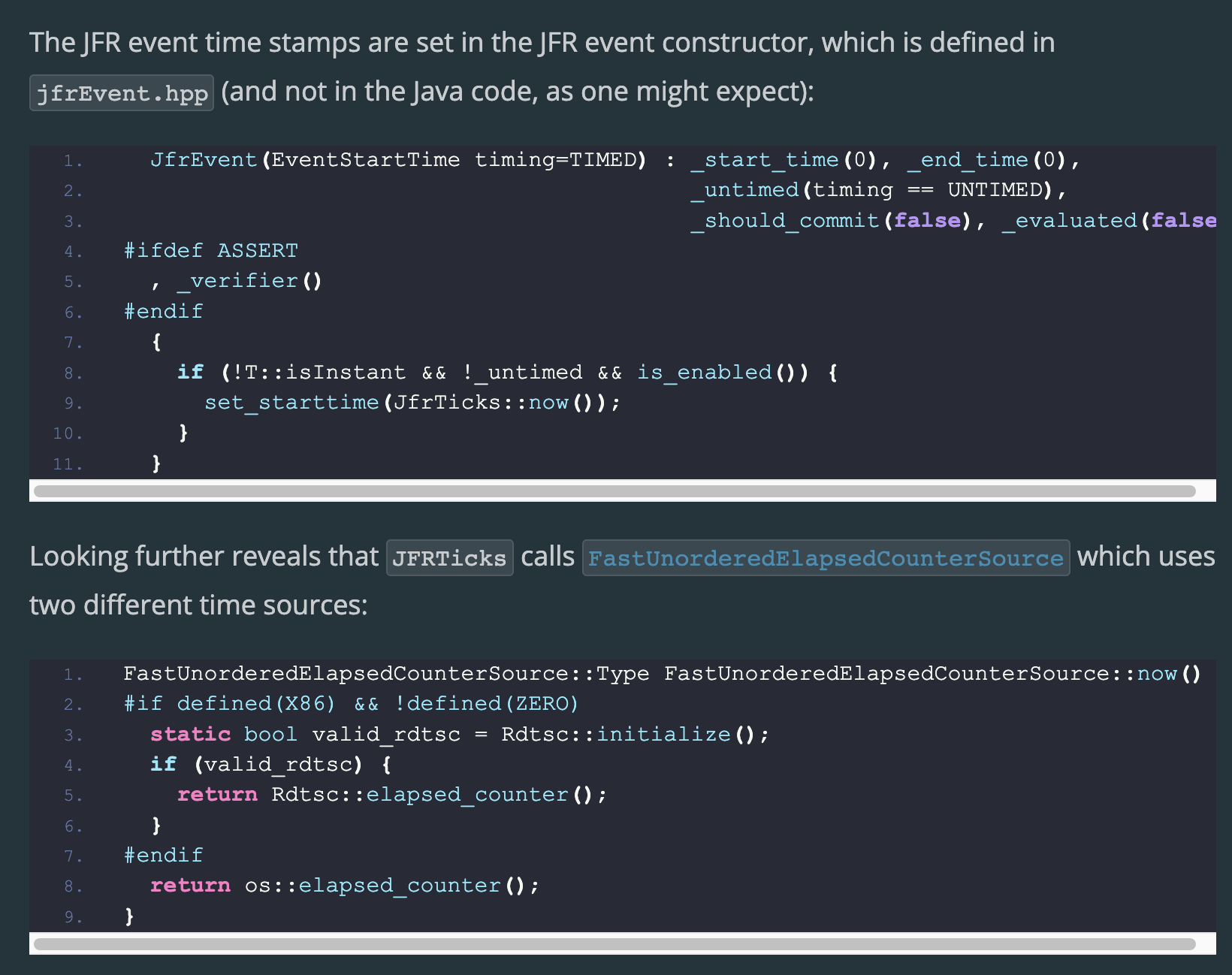
Did you ever wonder whether JFR timestamps use the same time source as System.nanoTime? Come down the rabbit hole with me!
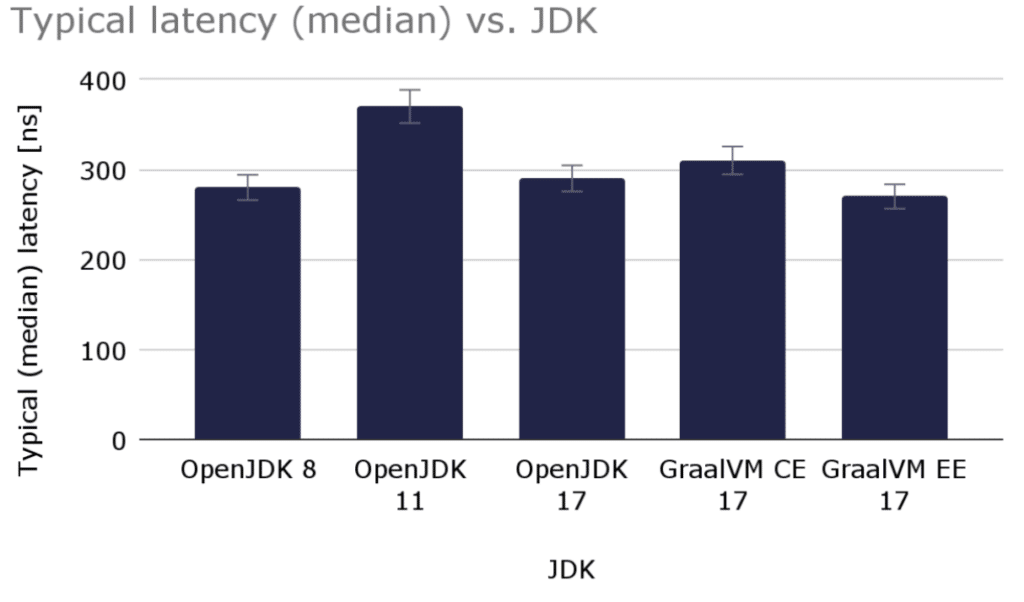
How is a high-performance, low-latency Java application affected by the JVM version used? Find out more on Foojay!
Benefiting from a decade of work that went into original RIFE, the new RIFE2 provides an opinionated full stack web framework in a 2MB JAR.
Hazelcast kicks off 2023 to connect with community members and industry experts on the Future of Real-Time Stream Processing.
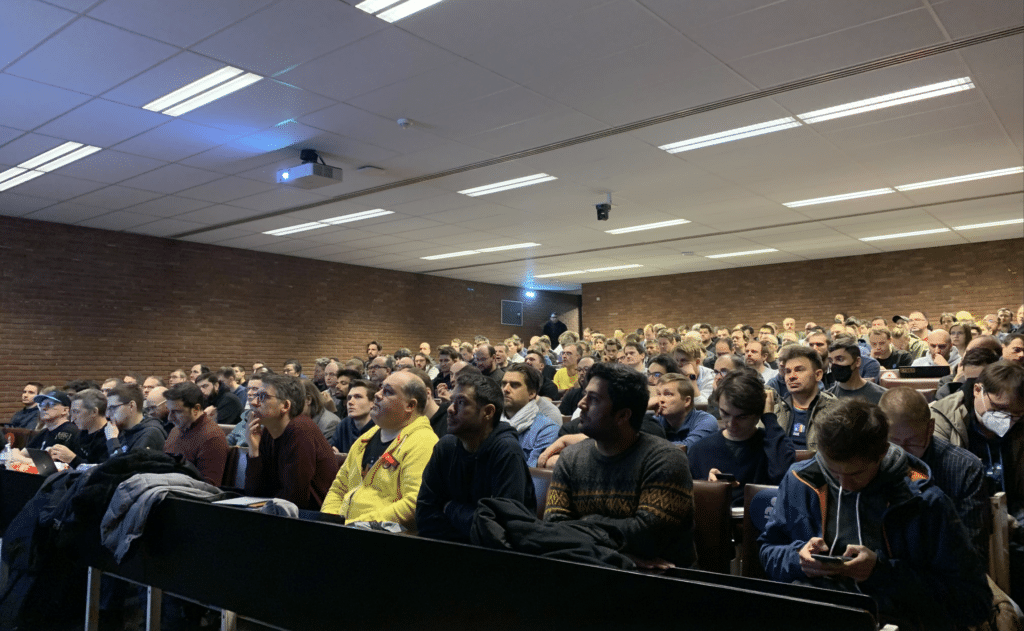
"What if Simon Ritter's keynote at FOSDEM entitled 'After Nearly 30 Years, How Is Java So Popular?' ends up being held... in an empty room?"
Last month we were in Dubai... and now we are on the other side of the world in the US to meet the people behind the Denver and Boulder JUG.
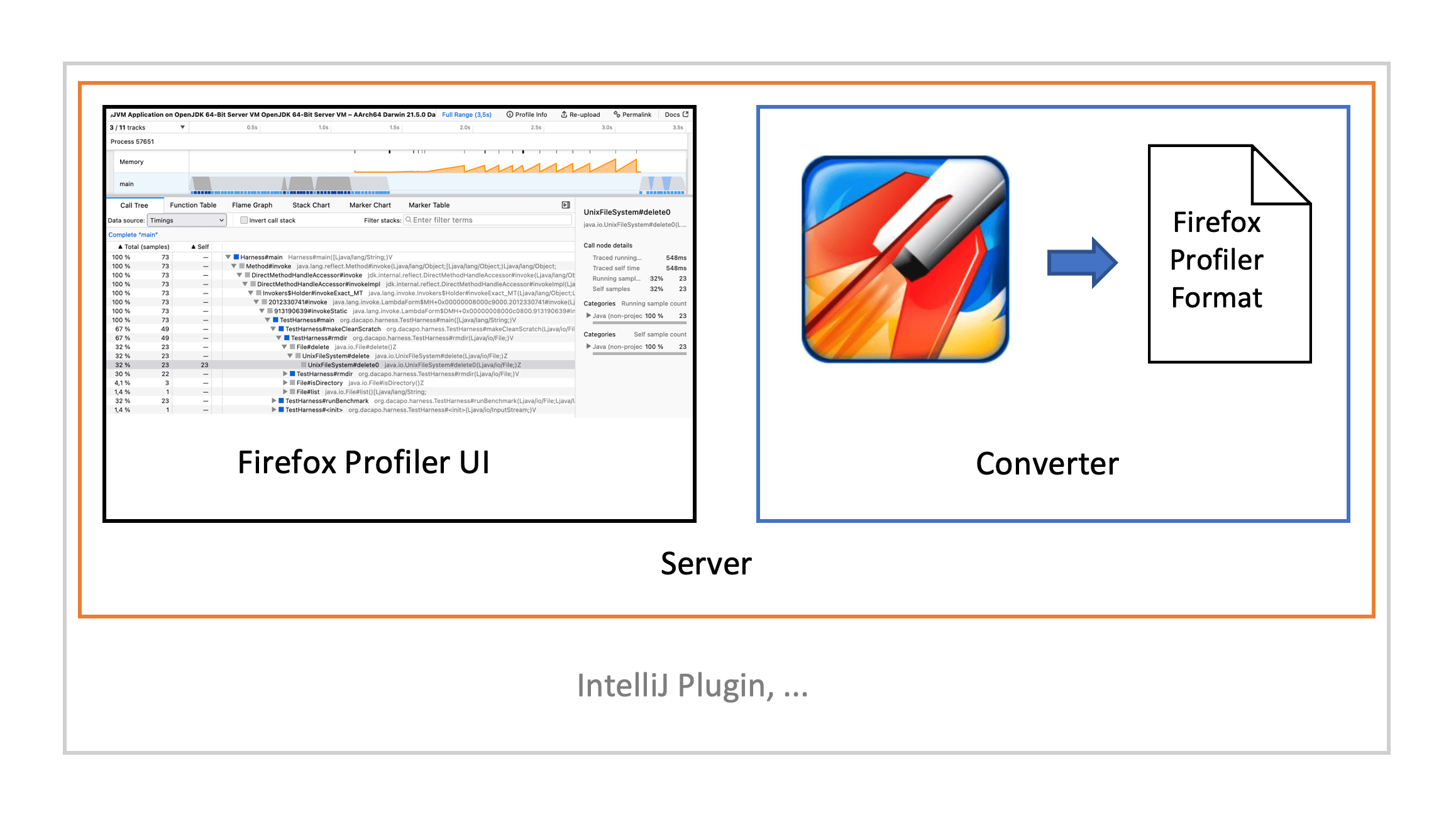
Ever wondered how to use Firefox Profiler to view your own profiling data? This article gives you the foundations!
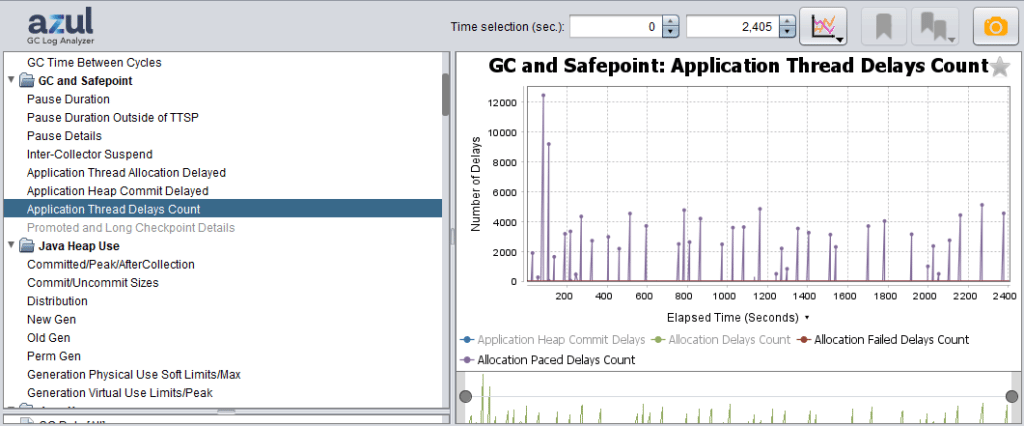
Allocation Pacing (AP) is a technique within the JVM of Azul Zulu Prime builds of OpenJDK to prevent long memory allocation delays.
Check out this overview of the functionality of the Garbage Collector and the things a developer should know.